Aphotic Descent
Personal Postmortem
What I Learned…
Growing Through Responsibility
This was my first solo production project, and being the only producer meant communication with the stakeholder became even more important. The stakeholder monitored the team less directly, so the responsibility to relay updates, manage priorities, and solve problems fell entirely on me. I also had to be more flexible, since I could only be in one place at a time, but I leaned on my leads and our game designer, Gracie Sanabria, for support. Making mistakes and learning from them helped me grow significantly as a producer and prepared me for all my future projects.
Adapting to Stakeholder Needs
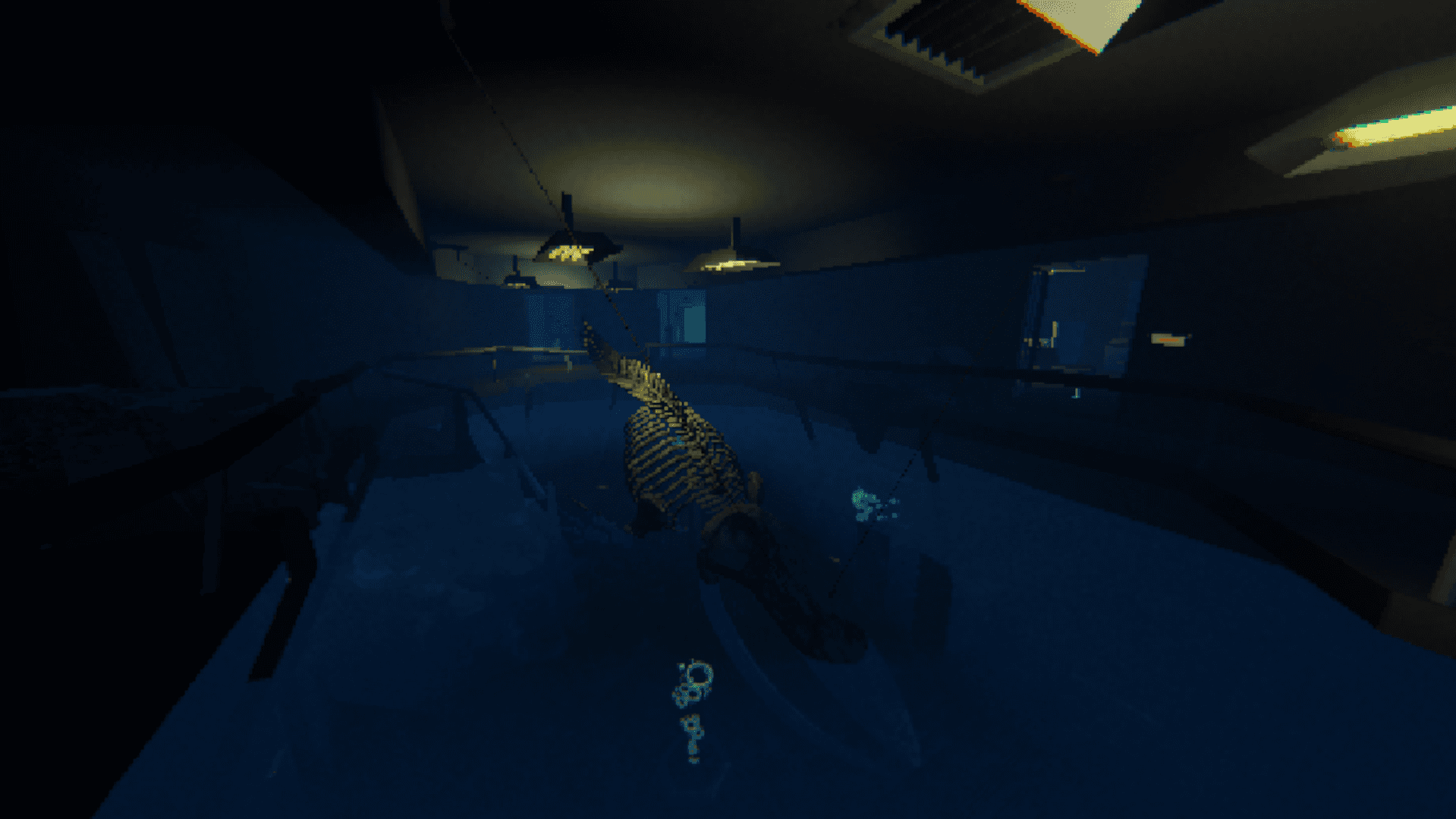
A major lesson was learning how to adjust scope based on stakeholder needs. Originally, the game focused on a scientist trapped in an underwater laboratory with escaped creatures, but our stakeholder wanted the story to be entirely underwater, with only a few moments on land. This completely changed our planning and forced me to adjust production on the fly to get the team back on track. It reinforced the importance of flexibility and constant communication when external priorities shift.
Grooming and Managing the Product Backlog
Learning to groom and manage the product backlog was essential for keeping the project on track, especially at the end of every sprint. Without a clear, prioritized backlog, tasks can pile up, progress stalls, and the team can lose sight of what’s actually important. I also learned how to effectively write epics, stories, and conditions of satisfactions. Regular backlog management helped us stay focused on delivering the most critical features first and ensured that nothing fell through the cracks.
Know When to Scale Back
Another key lesson I learned was understanding when to take feedback and scale back features that were out of scope. Early on, the team was ambitious about huge monsters and boss fights, but realistically, building them all would have burned out the team. We compromised by creating one large encounter, Frankeelstein, and several medium-to-small ones instead, which allowed the team to stay energized while still delivering unique and exciting content. Learning to balance ambition with practical scope was essential to keeping the project on track and the team motivated.
Visual Storytelling Challenges
Creating narrative and cutscenes was far harder than we anticipated, but absolutely essential to make the world feel alive. The team wanted players to discover the story and lore at their own pace, without requiring them to find every detail to enjoy the game. Most of this was delivered through 2D and 3D cutscenes, which looked amazing in the end, but took a lot of iteration and problem-solving during development. This taught me just how time-consuming and detail-oriented narrative work can be, and why planning for it early is crucial.
Game Screenshots
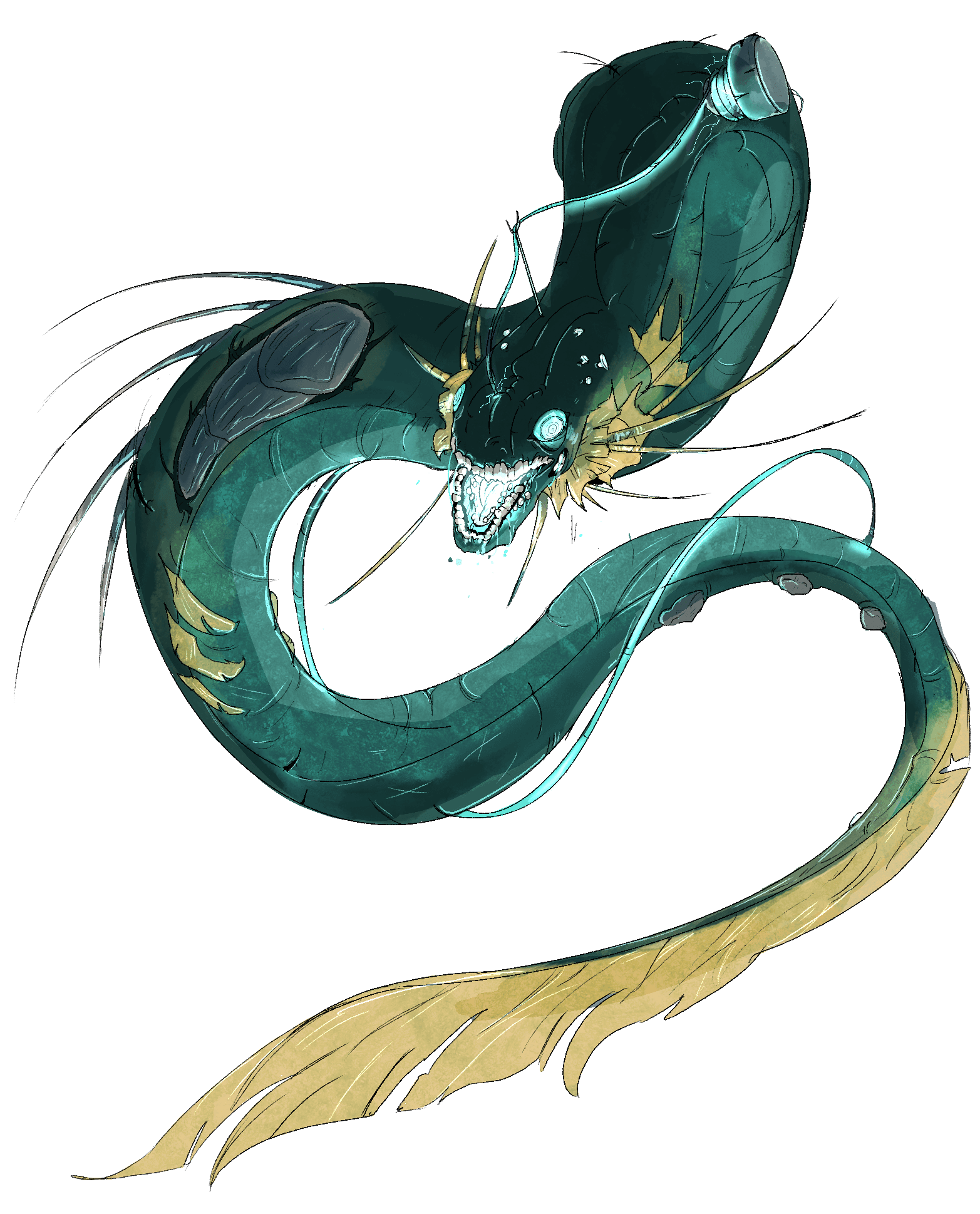
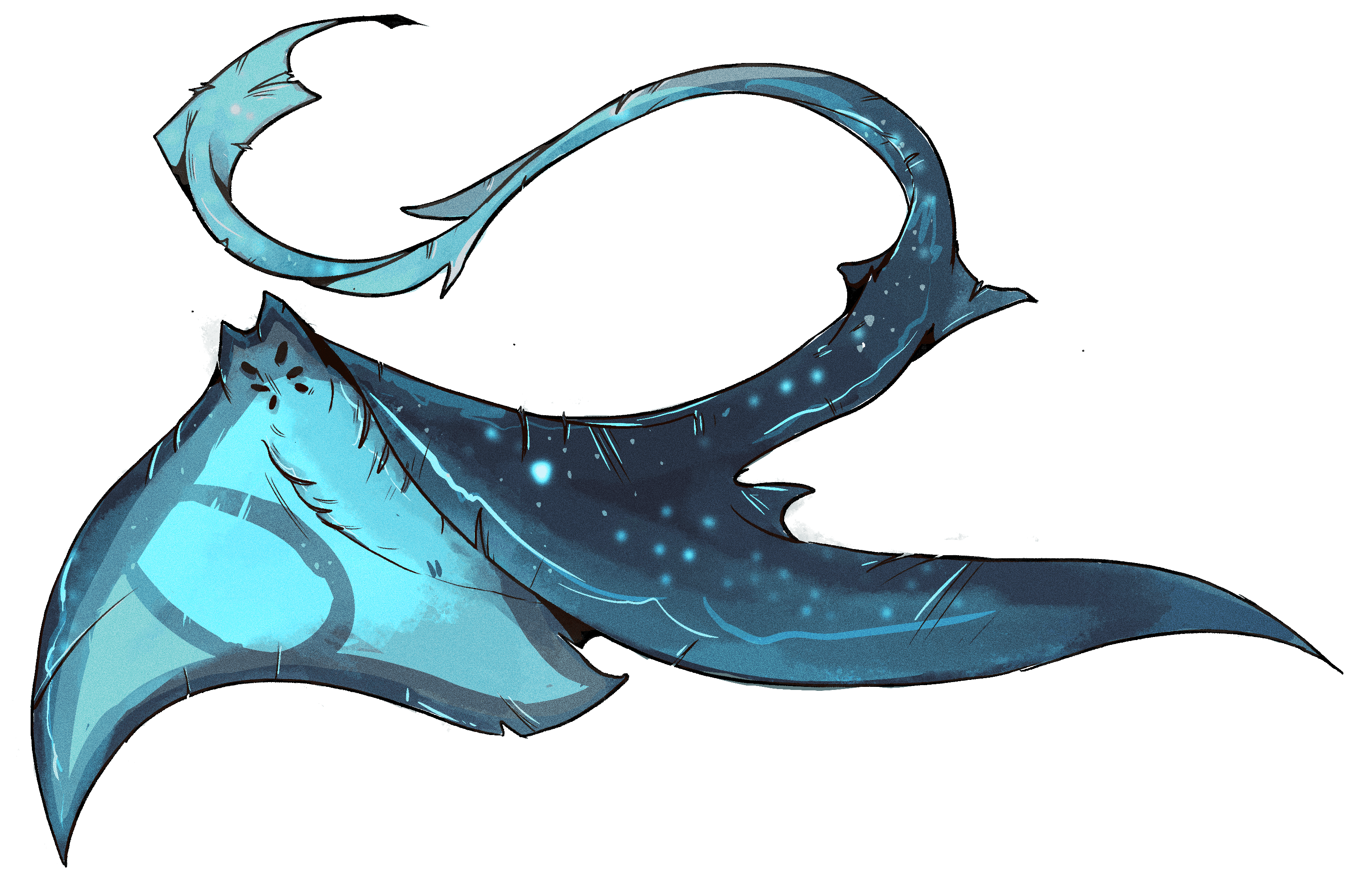
Alpha Milestone
Presentation Deck
This presentation was compiled by the leads of each discipline, and organized by the producers. We presented to the stakeholders as a team. This presentation occurred at the end of the sprint.
This presentation was compiled by the leads of each discipline, and organized by the producers. We presented to the stakeholders as a team. This presentation occurred at the end of the sprint.
95%
I created this document and, with input from the creative director, finalized its contents before negotiating them with stakeholders at the start of the sprint.
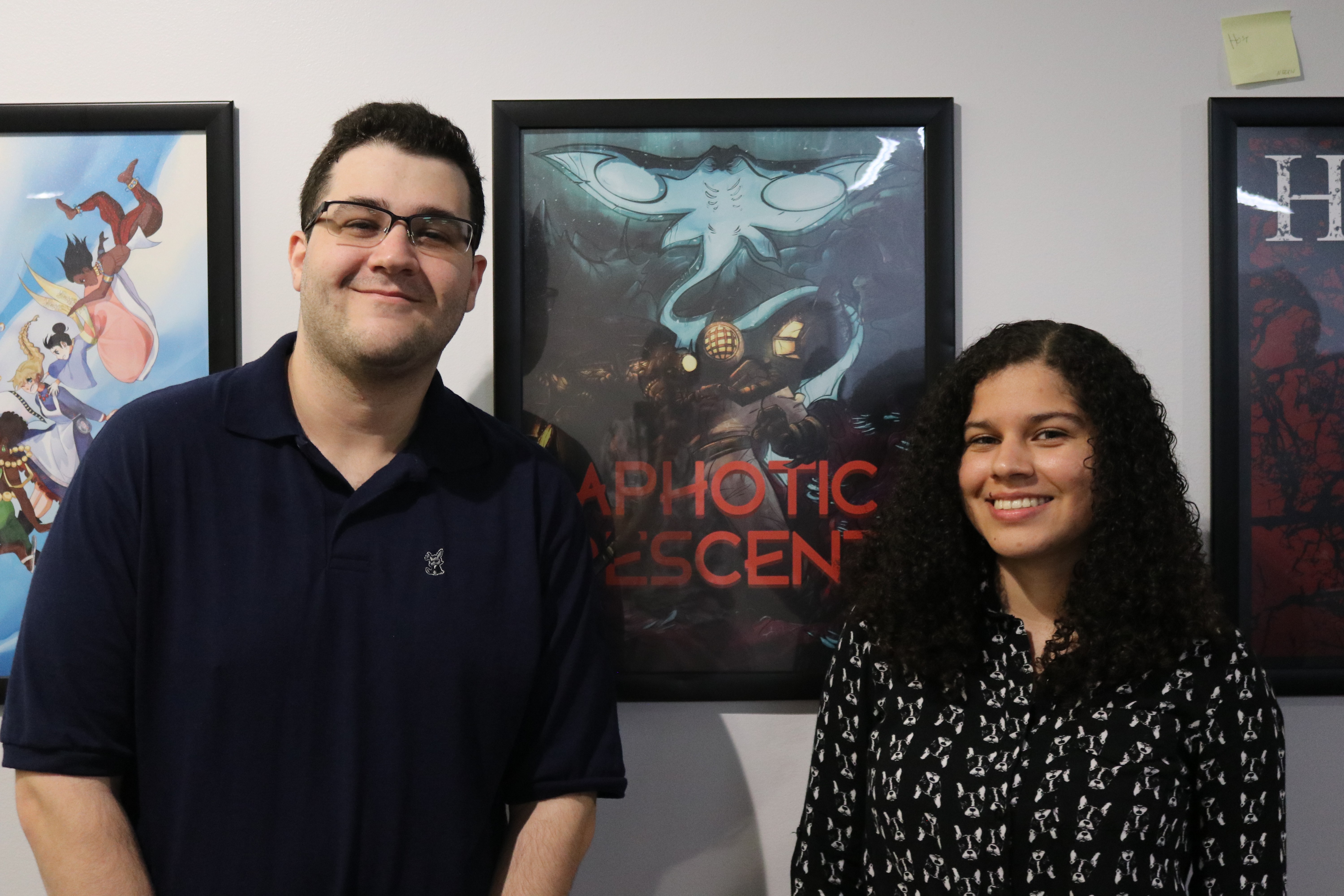
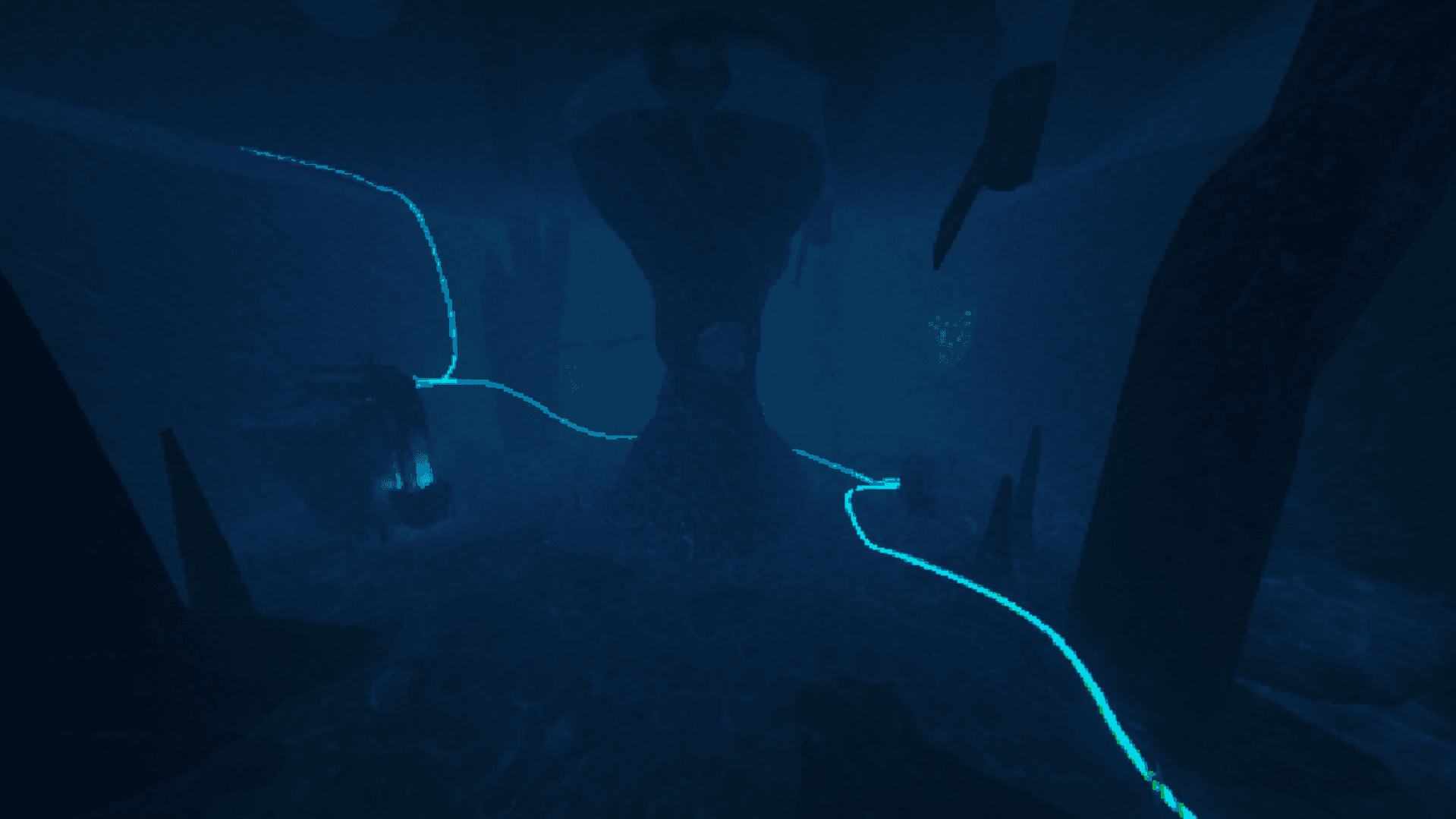
I collaborated with game designer, Gracie Sanabria, and the team to develop an engaging storyline featuring a unique blacklight mechanic, five enemy encounters, in-game cinematics, and stylized 2D cutscenes. I also helped balance creative depth and atmospheric storytelling with scope management to deliver a polished, cohesive game on schedule.
Production Tools I Used During This Project
ClickUp
Github
Unity
Steamworks
Miro
Microsoft Office Suite
Adobe Creative Cloud
Slack
OBS
I collaborated with game designer, Gracie Sanabria, and the team to develop an engaging storyline featuring a unique blacklight mechanic, five enemy encounters, in-game cinematics, and stylized 2D cutscenes. I also helped balance creative depth and atmospheric storytelling with scope management to deliver a polished, cohesive game on schedule.
Led an agile focused project with a team of 6 designers, 9 artists, and 4 programmers to deliver a high-quality game project on schedule.
Facilitated daily scrums over the course of 9 sprints to meet project goals and deadlines.
Organized formal documentation, project schedules, and milestones, including creating and maintaining design documents.
Led an agile focused project with a team of 6 designers, 9 artists, and 4 programmers to deliver a high-quality game project on schedule.
Facilitated daily scrums over the course of 9 sprints to meet project goals and deadlines.
Organized formal documentation, project schedules, and milestones, including creating and maintaining design documents.
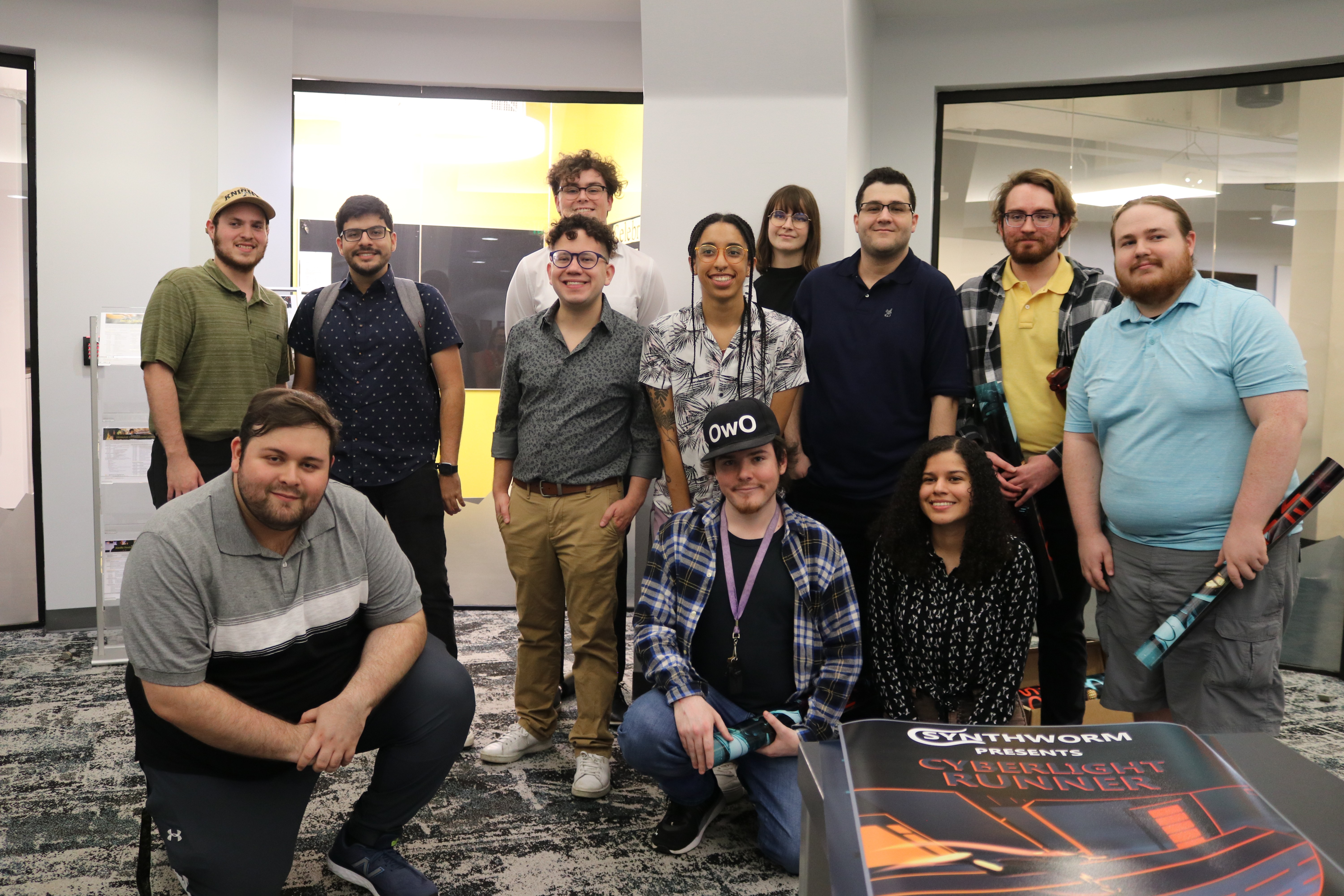
As Producer, my responsibilities included
As Producer, my responsibilities included
Game Trailer
Project Overview
Role: Producer
Duration: September 2022 - May 2023
Engine: Unity
Team Size: 19
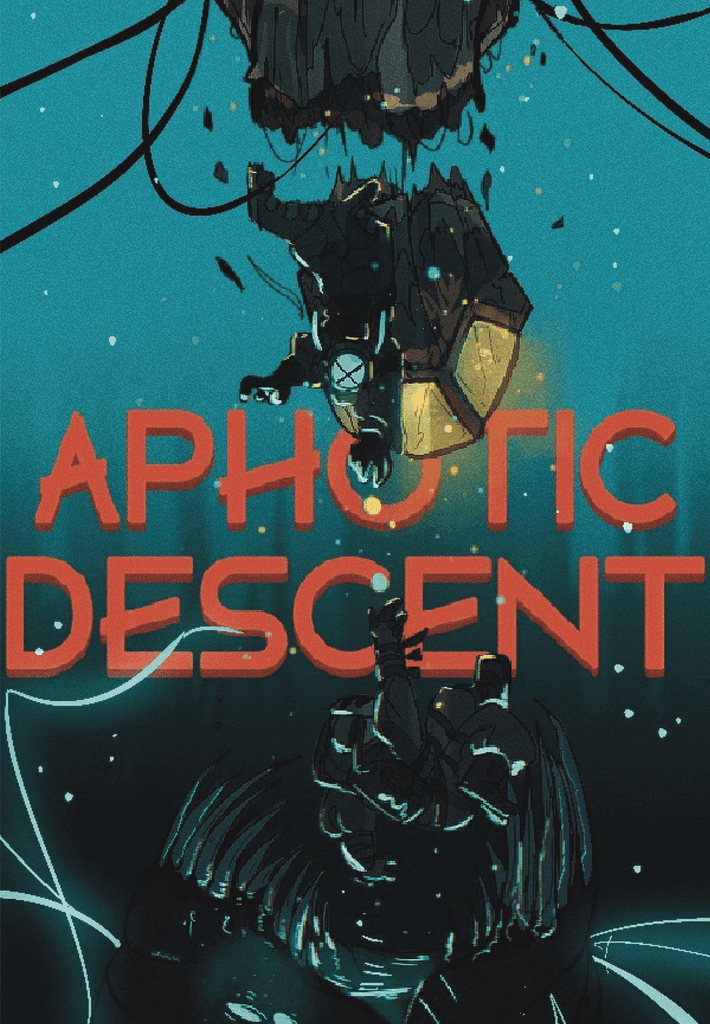
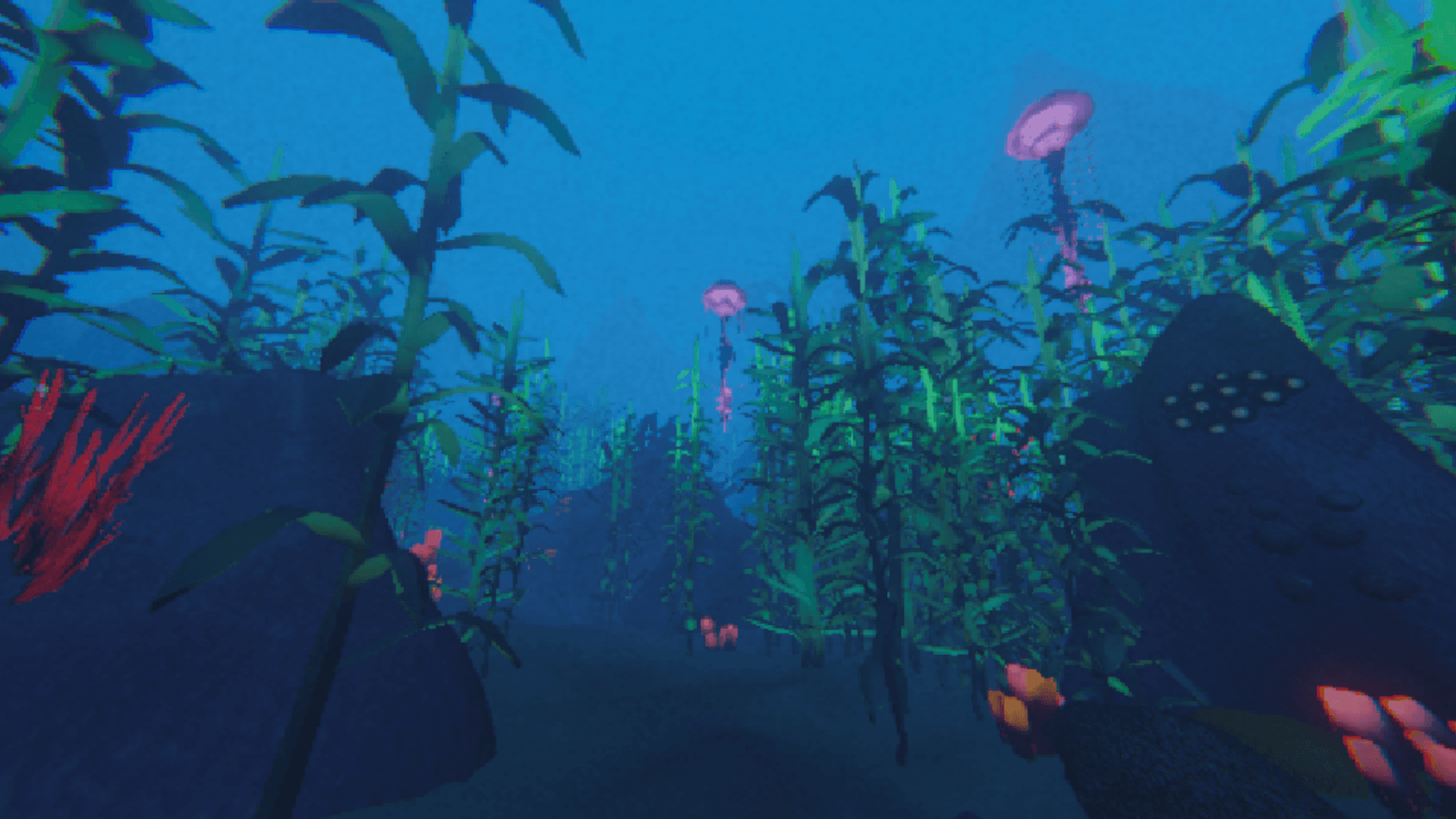
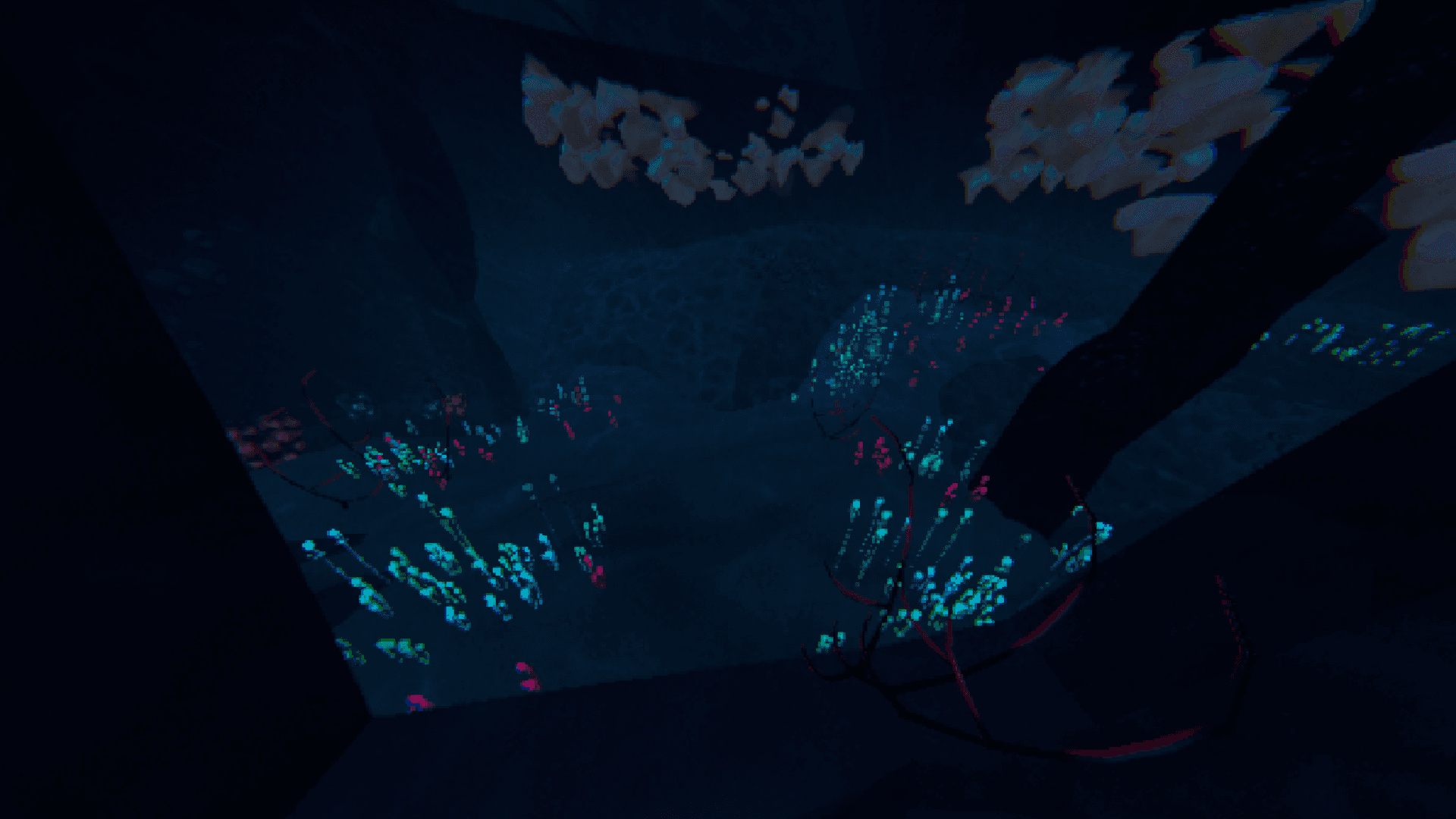
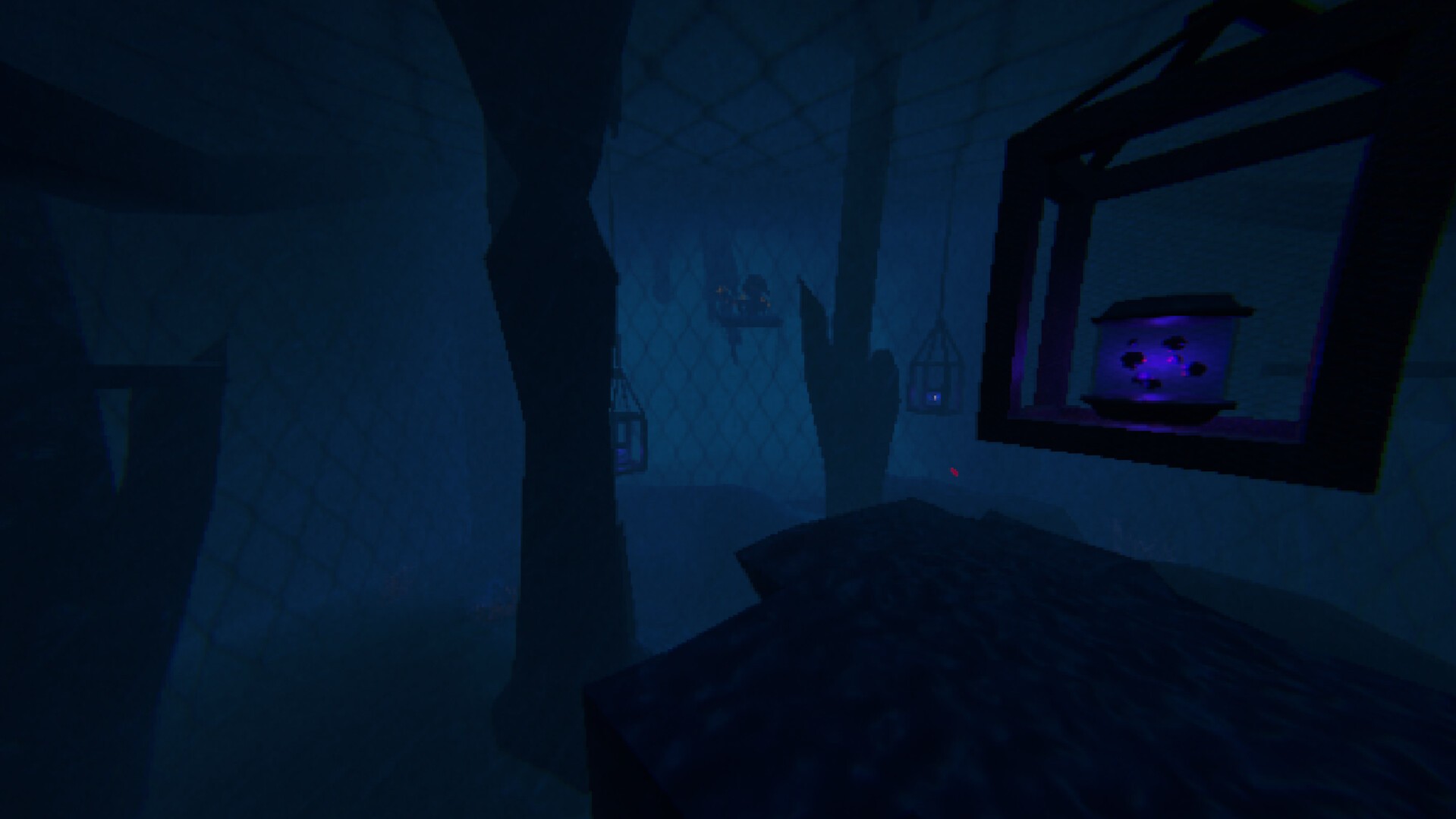
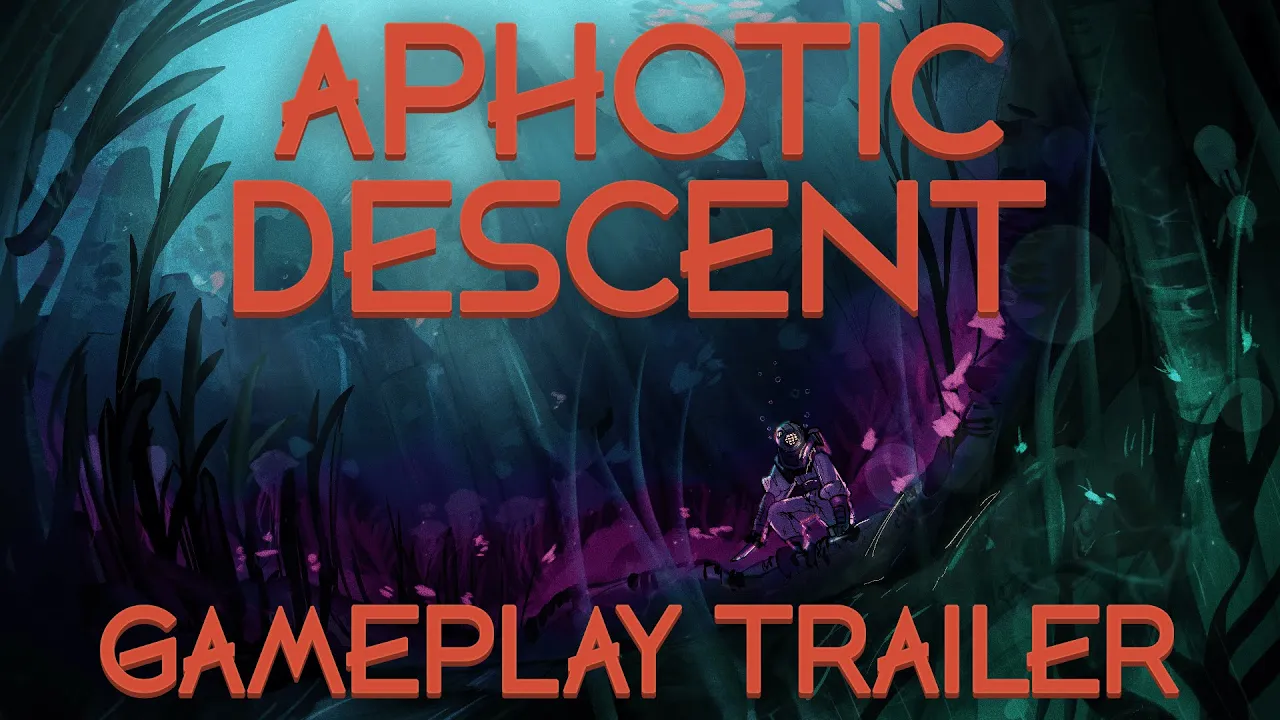
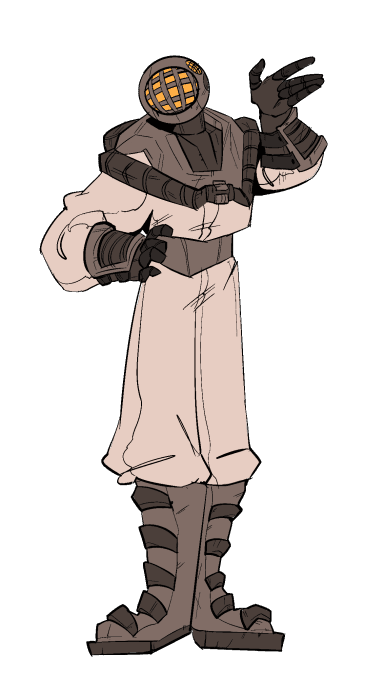
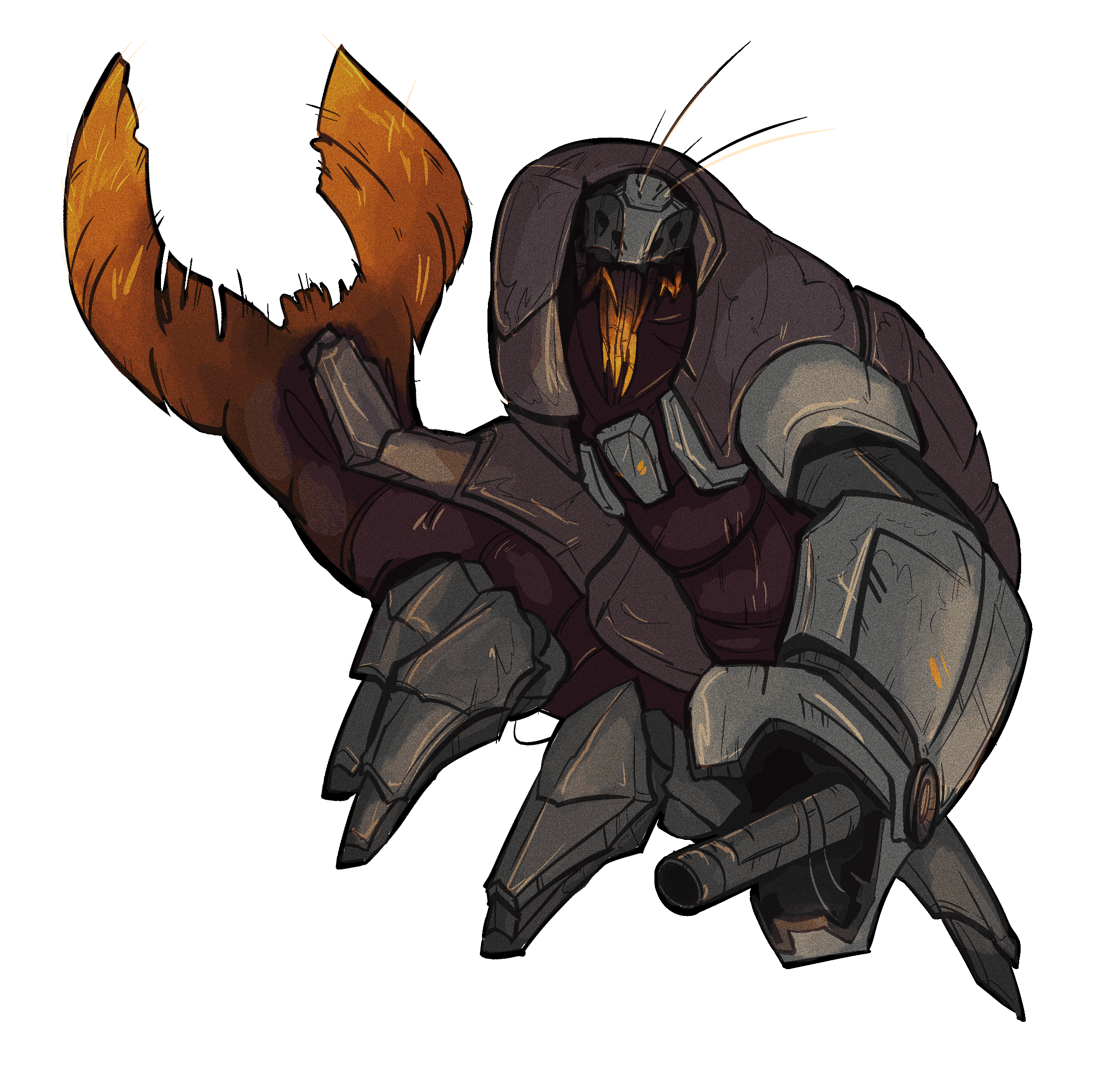
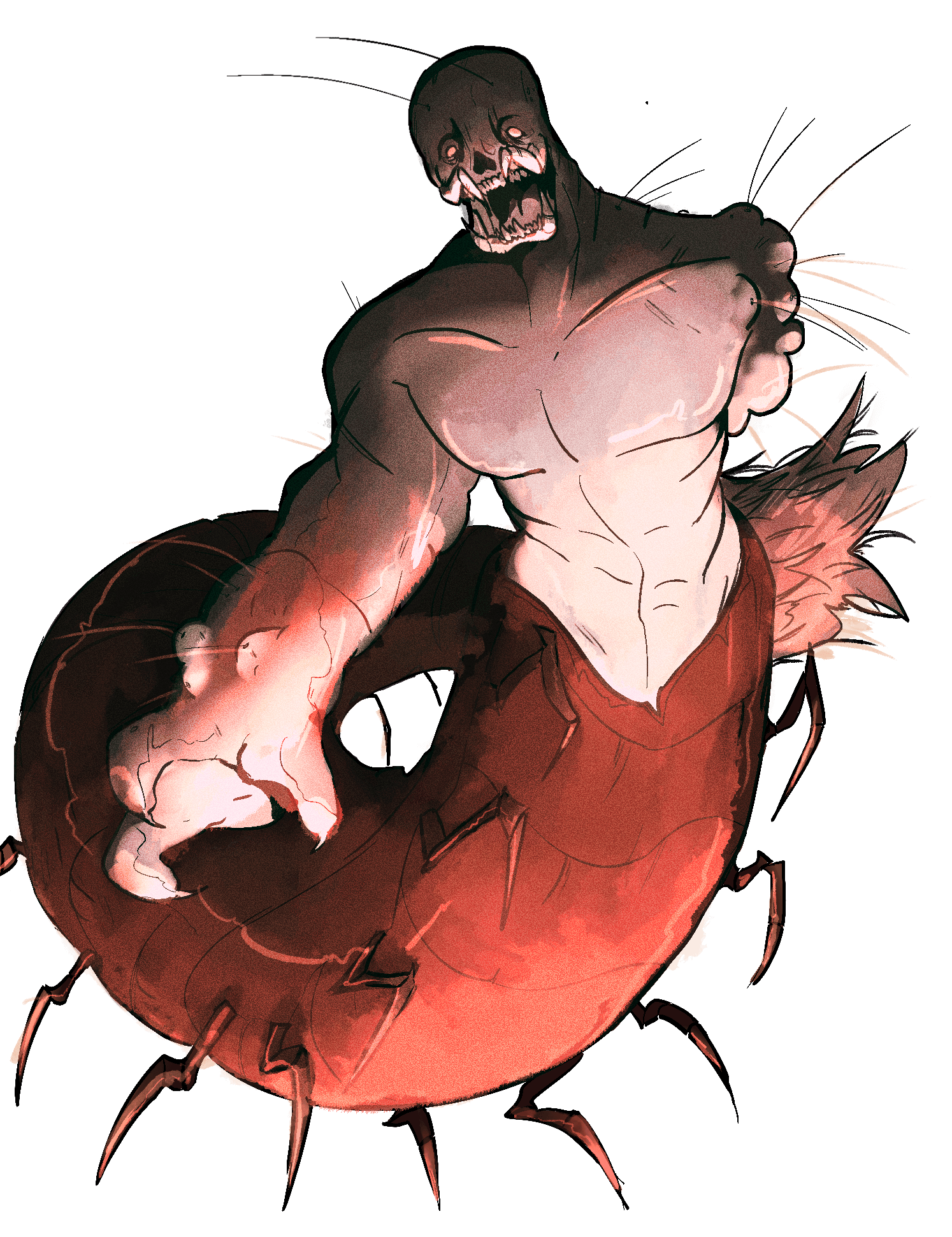
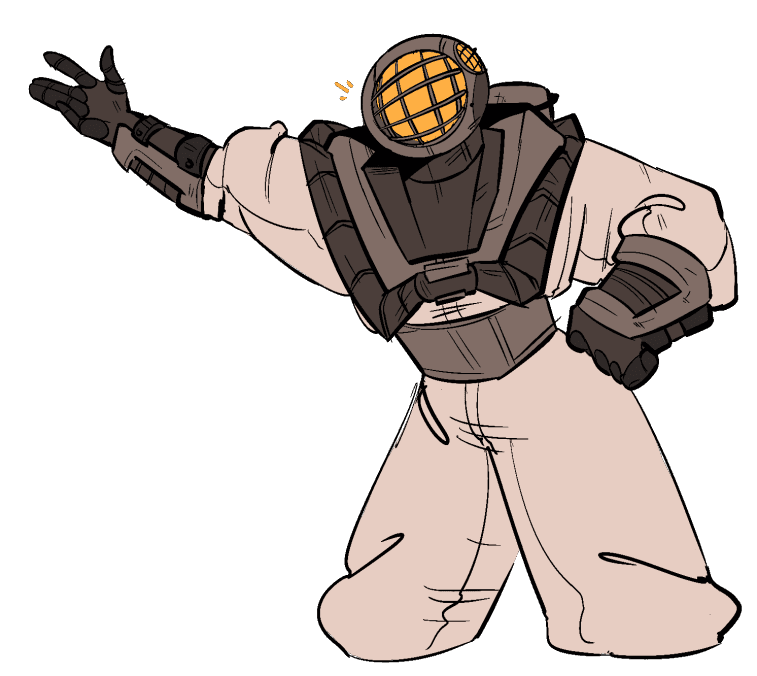
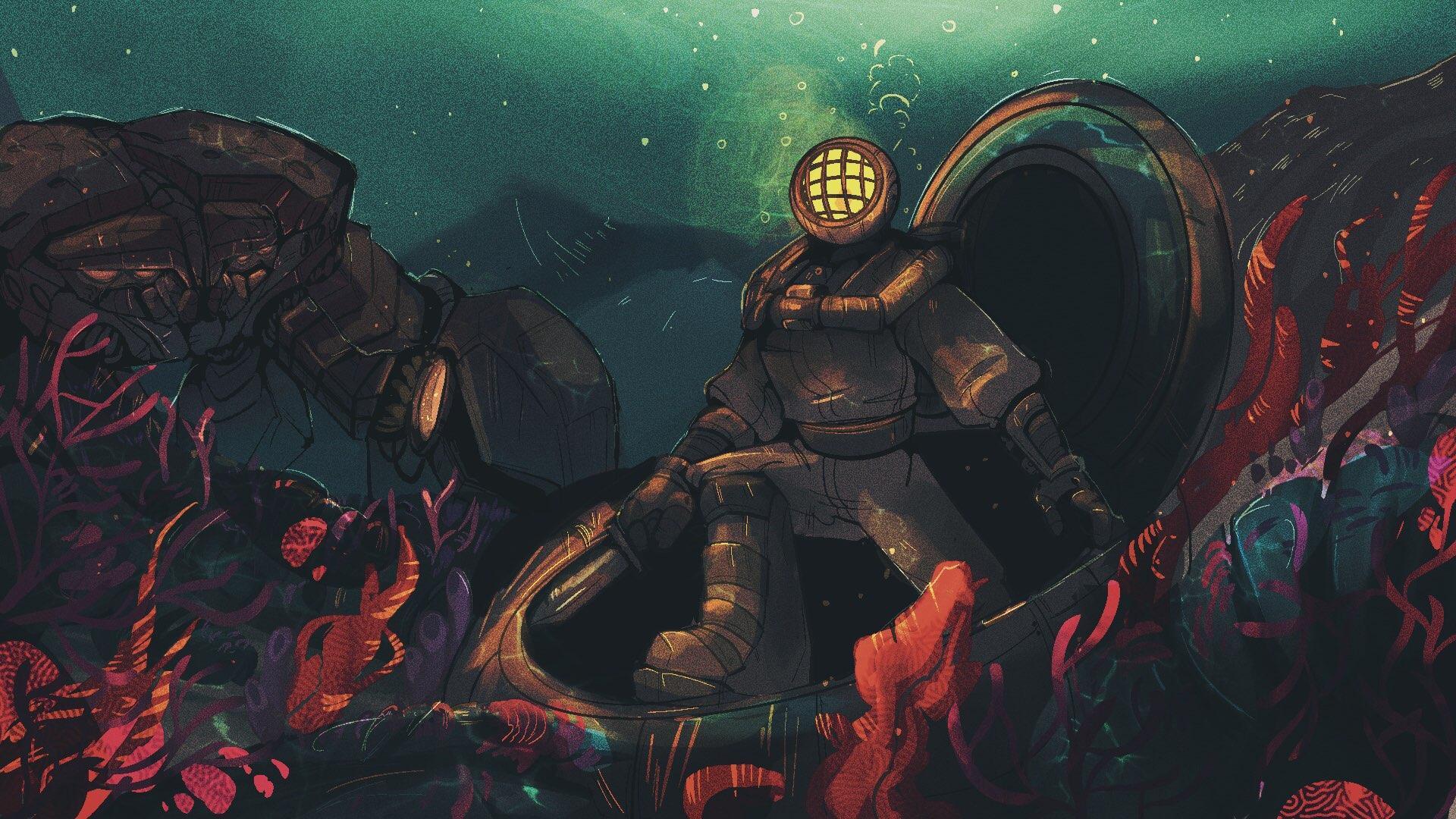
Aphotic Descent is a 3D first-person underwater horror game for PC in which you play as a diver who has crashed their submarine at the bottom of the ocean. With no other option for survival, you must make your way to a nearby underwater research base. Evade horrific creatures in immersive underwater environments while descending deeper and deeper. Play for FREE on Steam!
Aphotic Descent is a 3D first-person underwater horror game for PC in which you play as a diver who has crashed their submarine at the bottom of the ocean. With no other option for survival, you must make your way to a nearby underwater research base. Evade horrific creatures in immersive underwater environments while descending deeper and deeper. Play for FREE on Steam!
Aphotic Descent
Personal Postmortem
What I Learned…
Growing Through Responsibility
This was my first solo production project, and being the only producer meant communication with the stakeholder became even more important. The stakeholder monitored the team less directly, so the responsibility to relay updates, manage priorities, and solve problems fell entirely on me. I also had to be more flexible, since I could only be in one place at a time, but I leaned on my leads and our game designer, Gracie Sanabria, for support. Making mistakes and learning from them helped me grow significantly as a producer and prepared me for all my future projects.
Adapting to Stakeholder Needs
A major lesson was learning how to adjust scope based on stakeholder needs. Originally, the game focused on a scientist trapped in an underwater laboratory with escaped creatures, but our stakeholder wanted the story to be entirely underwater, with only a few moments on land. This completely changed our planning and forced me to adjust production on the fly to get the team back on track. It reinforced the importance of flexibility and constant communication when external priorities shift.
Grooming and Managing the Product Backlog
Learning to groom and manage the product backlog was essential for keeping the project on track, especially at the end of every sprint. Without a clear, prioritized backlog, tasks can pile up, progress stalls, and the team can lose sight of what’s actually important. I also learned how to effectively write epics, stories, and conditions of satisfactions. Regular backlog management helped us stay focused on delivering the most critical features first and ensured that nothing fell through the cracks.
Know When to Scale Back
Another key lesson I learned was understanding when to take feedback and scale back features that were out of scope. Early on, the team was ambitious about huge monsters and boss fights, but realistically, building them all would have burned out the team. We compromised by creating one large encounter, Frankeelstein, and several medium-to-small ones instead, which allowed the team to stay energized while still delivering unique and exciting content. Learning to balance ambition with practical scope was essential to keeping the project on track and the team motivated.
Visual Storytelling Challenges
Creating narrative and cutscenes was far harder than we anticipated, but absolutely essential to make the world feel alive. The team wanted players to discover the story and lore at their own pace, without requiring them to find every detail to enjoy the game. Most of this was delivered through 2D and 3D cutscenes, which looked amazing in the end, but took a lot of iteration and problem-solving during development. This taught me just how time-consuming and detail-oriented narrative work can be, and why planning for it early is crucial.
Game Screenshots
55%
I created this document and, with input from the creative director, finalized its contents before negotiating them with stakeholders at the start of the sprint.
As Producer, my responsibilities included
Game Trailer
Project Overview
Role: Producer
Duration: September 2022 - May 2023
Engine: Unity
Team Size: 19
Aphotic Descent is a 3D first-person underwater horror game for PC in which you play as a diver who has crashed their submarine at the bottom of the ocean. With no other option for survival, you must make your way to a nearby underwater research base. Evade horrific creatures in immersive underwater environments while descending deeper and deeper. Play for FREE on Steam!
I collaborated with game designer, Gracie Sanabria, and the team to develop an engaging storyline featuring a unique blacklight mechanic, five enemy encounters, in-game cinematics, and stylized 2D cutscenes. I also helped balance creative depth and atmospheric storytelling with scope management to deliver a polished, cohesive game on schedule.
Aphotic Descent
Personal Postmortem
What I Learned…
Growing Through Responsibility
This was my first solo production project, and being the only producer meant communication with the stakeholder became even more important. The stakeholder monitored the team less directly, so the responsibility to relay updates, manage priorities, and solve problems fell entirely on me. I also had to be more flexible, since I could only be in one place at a time, but I leaned on my leads and our game designer, Gracie Sanabria, for support. Making mistakes and learning from them helped me grow significantly as a producer and prepared me for all my future projects.
Adapting to Stakeholder Needs
A major lesson was learning how to adjust scope based on stakeholder needs. Originally, the game focused on a scientist trapped in an underwater laboratory with escaped creatures, but our stakeholder wanted the story to be entirely underwater, with only a few moments on land. This completely changed our planning and forced me to adjust production on the fly to get the team back on track. It reinforced the importance of flexibility and constant communication when external priorities shift.
Grooming and Managing the Product Backlog
Learning to groom and manage the product backlog was essential for keeping the project on track, especially at the end of every sprint. Without a clear, prioritized backlog, tasks can pile up, progress stalls, and the team can lose sight of what’s actually important. I also learned how to effectively write epics, stories, and conditions of satisfactions. Regular backlog management helped us stay focused on delivering the most critical features first and ensured that nothing fell through the cracks.
Know When to Scale Back
Another key lesson I learned was understanding when to take feedback and scale back features that were out of scope. Early on, the team was ambitious about huge monsters and boss fights, but realistically, building them all would have burned out the team. We compromised by creating one large encounter, Frankeelstein, and several medium-to-small ones instead, which allowed the team to stay energized while still delivering unique and exciting content. Learning to balance ambition with practical scope was essential to keeping the project on track and the team motivated.
Visual Storytelling Challenges
Creating narrative and cutscenes was far harder than we anticipated, but absolutely essential to make the world feel alive. The team wanted players to discover the story and lore at their own pace, without requiring them to find every detail to enjoy the game. Most of this was delivered through 2D and 3D cutscenes, which looked amazing in the end, but took a lot of iteration and problem-solving during development. This taught me just how time-consuming and detail-oriented narrative work can be, and why planning for it early is crucial.
Alpha Milestone
Presentation Deck
This presentation was compiled by the leads of each discipline, and organized by the producers. We presented to the stakeholders as a team. This presentation occurred at the end of the sprint.
Production Tools I Used During This Project
Agile Methodolgies
Jira
Atlassian/Confluence
Perforce
Unreal Engine 5
Steamworks
Miro
Microsoft Office Suite
Adobe Creative Cloud
Slack
Qualtrics
OBS
Game Screenshots
Led an agile focused project with a team of 6 designers, 9 artists, and 4 programmers to deliver a high-quality game project on schedule.
Facilitated daily scrums over the course of 9 sprints to meet project goals and deadlines.
Organized formal documentation, project schedules, and milestones, including creating and maintaining design documents.